Understanding the Food Supply Chain
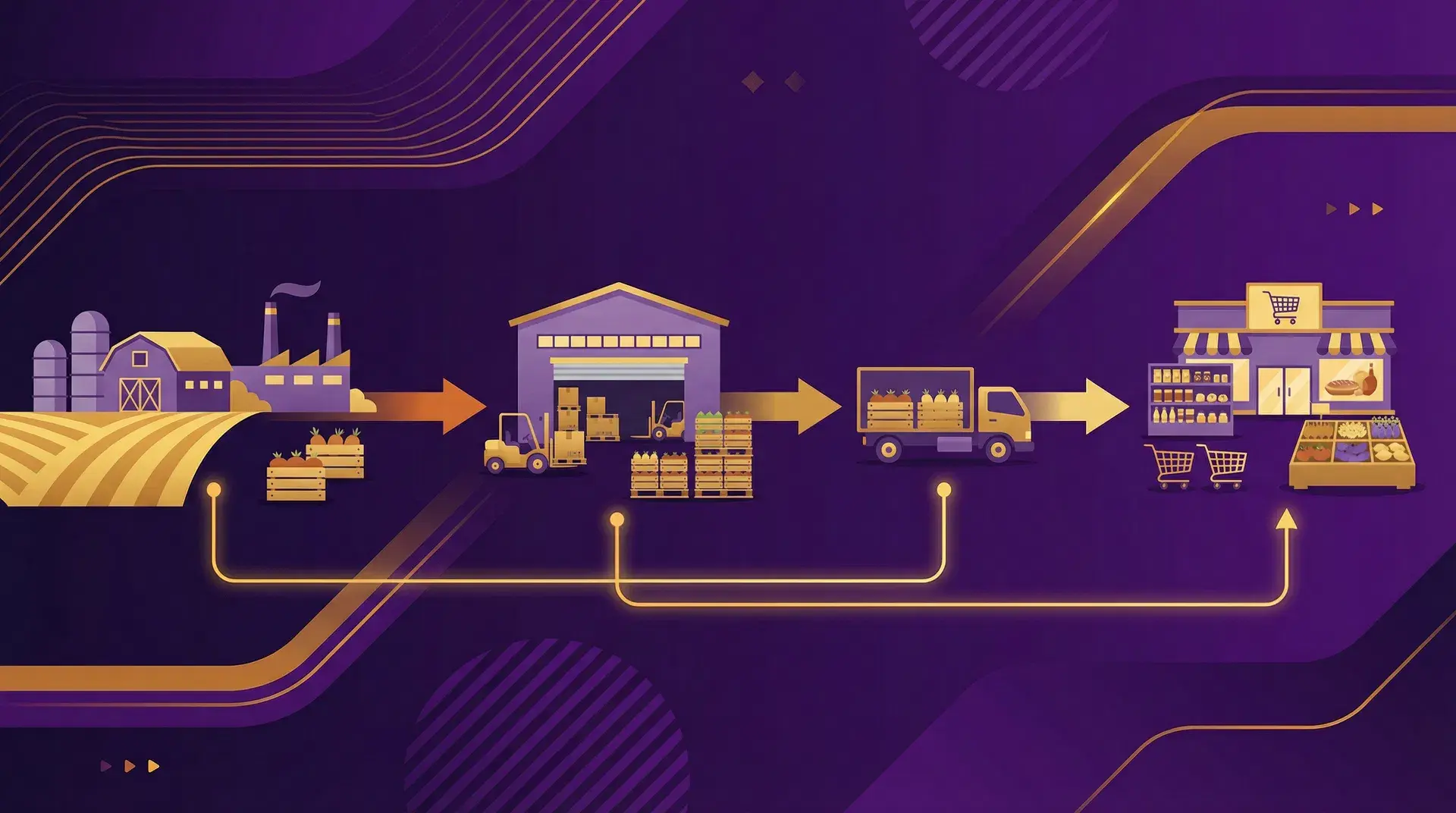
Did you know food wholesalers move over $280 billion in goods yearly? If you want to get savvy about the food world, you need to understand the roles of wholesalers, distributors, and retailers. Wholesalers buy big and sell bulk. Distributors direct you to the right products. Retailers are your last stop before your cart.
Each one plays a unique role in getting food from farm to fork. Understanding these differences helps you optimize your Amazon business, boost your product visibility, and stay ahead of the game.
Key Takeaways
- Food wholesalers purchase from producers in bulk and sell to distributors or retailers at lower prices
- Distributors manage logistics and supply chain, ensuring retailers receive products efficiently
- Retailers represent the final link, selling directly to consumers with personalized experiences
- Each segment has unique advantages and challenges affecting pricing, relationships, and logistics
What Are Food Wholesalers?
Food wholesalers are the largest players in the wholesale food industry and specialize in bulk sales. They buy food staples in bulk directly from producers and resell to retailers. They don't usually sell to end consumers — they're the linchpin in the food supply process that keeps things moving.
Types of Food Wholesalers
- Merchant Wholesalers: Stock a wide range of products, acting as a one-stop-shop for retailers
- Specialty Distributors: Focus on specific categories like organic or gourmet foods
- Broadline Distributors: Offer a broad array of products catering to various retailers
- Niche Wholesalers: Specialize in unique categories such as organic foods
What Are Food Distributors?
Food distributors are an important part of the food supply chain, acting as a critical bridge between food manufacturers and the marketplaces where products end up in consumer hands. They handle logistics, warehousing, and transportation of food products.
What Are Food Retailers?
Food retailers are the final link in the supply chain, selling products directly to consumers. This includes traditional grocery stores, specialty food shops, online retailers like Amazon, and direct-to-consumer brands.
How This Applies to Amazon Sellers
Understanding the supply chain is crucial for Amazon sellers. Whether you're a manufacturer selling directly, working with a distributor, or acting as a retailer, your position in the supply chain affects your pricing strategy, inventory management, and competitive positioning.
For CPG brands looking to sell on Amazon, having a clear understanding of your supply chain helps you optimize costs, maintain consistent inventory levels, and price your products competitively.
Tom Harrison
Founder of TNT Ecommerce, helping CPG brands navigate and succeed on Amazon through expert listing optimization, advertising, and brand management strategies.