
Why Sustainable Packaging Matters
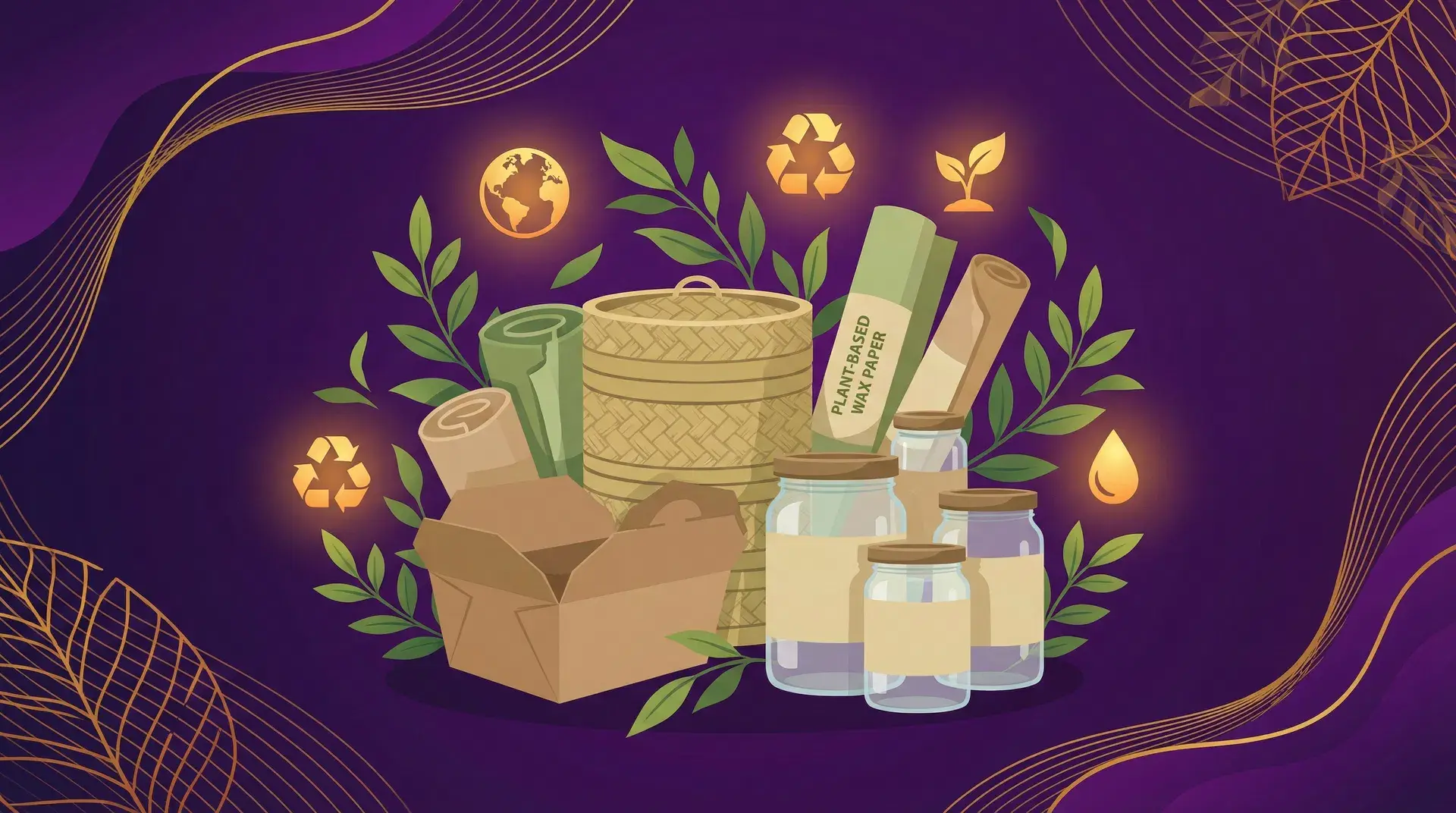
Sustainable packaging is a game-changer for eco-friendly food brands in the supply chain. It not only reduces waste through sustainable packaging design but also attracts conscious consumers interested in sustainable packaging trends. From biodegradable materials to reusable containers, these conscious packaging choices can make a real difference.
Key Takeaways
- Consider edible packaging made from seaweed to reduce waste and offer unique customer experiences
- Explore plant-based compostable containers as sustainable alternatives
- Implement reusable beeswax wraps to promote sustainability and reduce single-use plastic
- Invest in glass jars with recycled paper labels as a stylish and sustainable choice
1. Edible Packaging Made from Seaweed
Edible packaging made from seaweed offers a revolutionary approach to sustainable food packaging. Brands like Loliware and Evoware lead the way, offering products such as flavored edible cups and wrappers. Seaweed is a renewable resource that grows rapidly without fertilizers or freshwater.
2. Plant-Based Compostable Containers
Made from materials like cornstarch and sugarcane, plant-based compostable containers break down naturally after use. They offer the same functionality as traditional plastic containers while significantly reducing environmental impact.
3. Reusable Beeswax Wraps
Beeswax wraps are a sustainable alternative to plastic wrap. They're made from organic cotton coated with beeswax, tree resin, and jojoba oil. They can be washed and reused for up to a year, making them both eco-friendly and cost-effective.
4. Mushroom Packaging
Mushroom packaging uses mycelium (mushroom roots) to create biodegradable packaging materials. It's particularly effective for insulation and protective packaging, making it ideal for shipping temperature-sensitive food products.
5. Biodegradable Sugarcane Clamshells
Sugarcane clamshells are made from bagasse, a byproduct of sugarcane processing. They're sturdy, microwave-safe, and fully compostable. They're an excellent alternative to styrofoam containers for food service and retail.
6. Glass Jars with Recycled Paper Labels
Glass is infinitely recyclable and gives products a premium feel. Paired with labels made from recycled paper and soy-based inks, glass jars offer a sustainable and visually appealing packaging solution.
7. Recycled Cardboard Packaging
Using recycled cardboard for shipping boxes and product packaging reduces the demand for virgin materials. Many consumers actively look for the recycled symbol on packaging, making this a simple way to appeal to eco-conscious shoppers.
8. Bamboo Packaging
Bamboo is one of the fastest-growing plants on Earth, making it a highly renewable packaging material. It's strong, lightweight, and biodegradable, making it suitable for a variety of food packaging applications.
9. Seed-Embedded Packaging
Seed-embedded packaging contains plant seeds that can be planted after use. Customers can literally plant your packaging and grow herbs, flowers, or vegetables. It's a memorable and environmentally positive packaging choice.
10. Minimalist Packaging Design
Sometimes the most sustainable choice is simply using less packaging. Minimalist packaging reduces material usage, shipping weight, and waste. Focus on using only what's necessary to protect and present your product effectively.
Tom Harrison
Founder of TNT Ecommerce, helping CPG brands navigate and succeed on Amazon through expert listing optimization, advertising, and brand management strategies.